
Loading...
Loading...
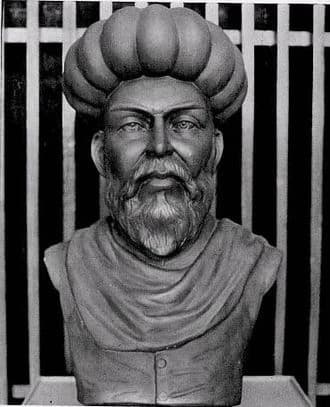
Arab & Muslim Pioneers
Why this changed the world
Correctly described pulmonary circulation centuries before it was recognized in Europe.
Ibn al-Nafis was a thirteenth-century physician who wrote commentaries and original medical works in Damascus and Cairo. In his commentary on anatomy, he argued that blood from the right side of the heart reaches the left side through the lungs rather than through invisible pores in the heart’s dividing wall. This description is recognized as an important account of pulmonary circulation.
His model was not the complete modern circulation later associated with William Harvey, and it remained embedded in medieval physiology. Its significance is that Ibn al-Nafis criticized an authoritative anatomical claim and proposed a route more consistent with the structure of the heart and lungs. Manuscript rediscovery in the twentieth century changed common histories of circulation, illustrating how language, archival survival, and transmission determine which scientific contributions become widely known.
Gave the earliest known accurate description of pulmonary circulation.
Challenged Galenic claims about invisible pores between the heart's ventricles.
Wrote major commentaries and comprehensive works on medicine and anatomy.