
Loading...
Loading...
Life Sciences
Why this changed the world
Established germ theory applications that transformed medicine, food safety, and vaccination.
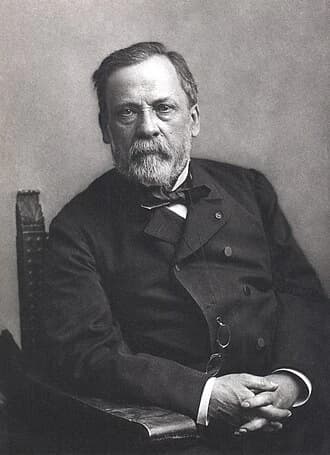
Louis Pasteur used chemistry and carefully designed experiments to study fermentation, spoilage, and infectious disease. Work on molecular asymmetry helped establish his scientific reputation before he showed that particular microorganisms could drive particular fermentations. Experiments with controlled exposure challenged spontaneous-generation claims under the conditions tested and strengthened the emerging germ theory of disease.
Pasteur and collaborators developed vaccines against diseases including chicken cholera, anthrax, and rabies, although methods, credit, and public demonstrations were more complicated than heroic accounts suggest. His laboratory combined research, industry, agriculture, and medicine and became a model for institutes that connected basic science with public health. Pasteur did not create germ theory alone; figures including Agostino Bassi, Ignaz Semmelweis, Joseph Lister, and Robert Koch contributed distinct evidence and practices.
Showed the microbial basis of fermentation and supported germ theory.
Developed pasteurization to reduce harmful microorganisms in food and drink.
Created vaccines for rabies and anthrax using attenuation techniques.